Ferrous vs Non-Ferrous: Sorting Your Scrap Metal Recycling Load
Knowing whether your scrap metal is ferrous or non-ferrous is one of the most useful things you can do before dropping off a load for scrap metal recycling. This single step can speed up the weighing process at the yard, help ensure you get the best return for your materials, and keep recycling operations running more efficiently. Whether you are clearing out a home workshop in Brendale, QLD, or managing waste from a commercial site, understanding the difference between these two metal types is a practical skill worth building.
What Is the Difference Between Ferrous and Non-Ferrous Metal?
Ferrous metals contain iron; non-ferrous metals do not. That is the core distinction, and it matters a great deal at the recycling yard. Ferrous metals include materials like mild steel, cast iron, and wrought iron. Non-ferrous metals include aluminium, copper, brass, stainless steel, lead, and zinc. These two groups behave differently in the recycling process and are typically valued and sorted separately.
The simplest way to tell them apart at home requires no specialist equipment at all.
The Magnet Test: Your Most Reliable Tool
A basic household magnet is all you need to sort most scrap. Ferrous metals will attract the magnet strongly. Non-ferrous metals will not. Run the magnet over your pile of scrap and separate anything that sticks from anything that does not. This quick test takes only a few minutes but can make the entire drop-off process significantly smoother. Keep in mind that some stainless steels are only weakly magnetic, so those may need a second look.
Common Examples of Each Metal Type
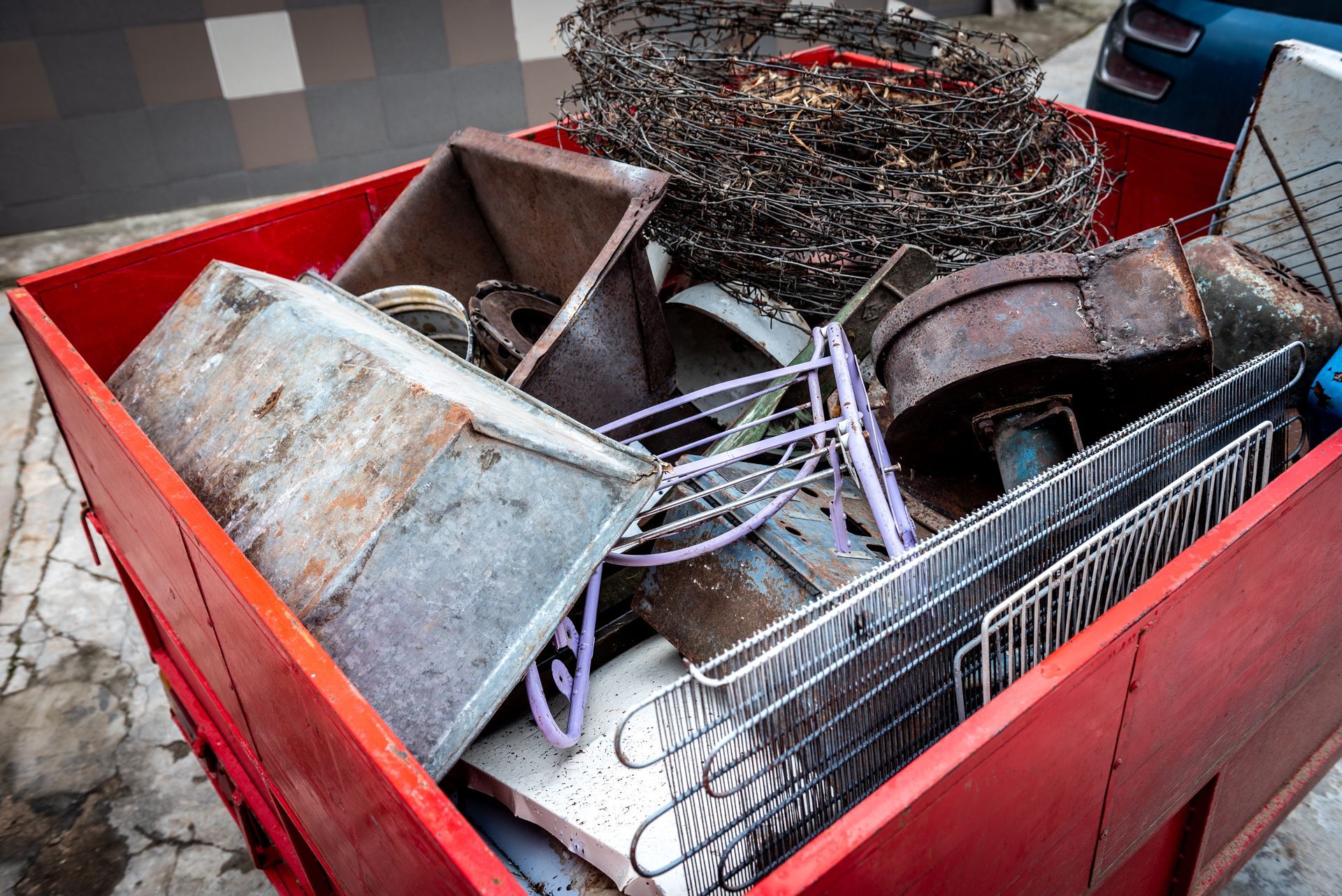
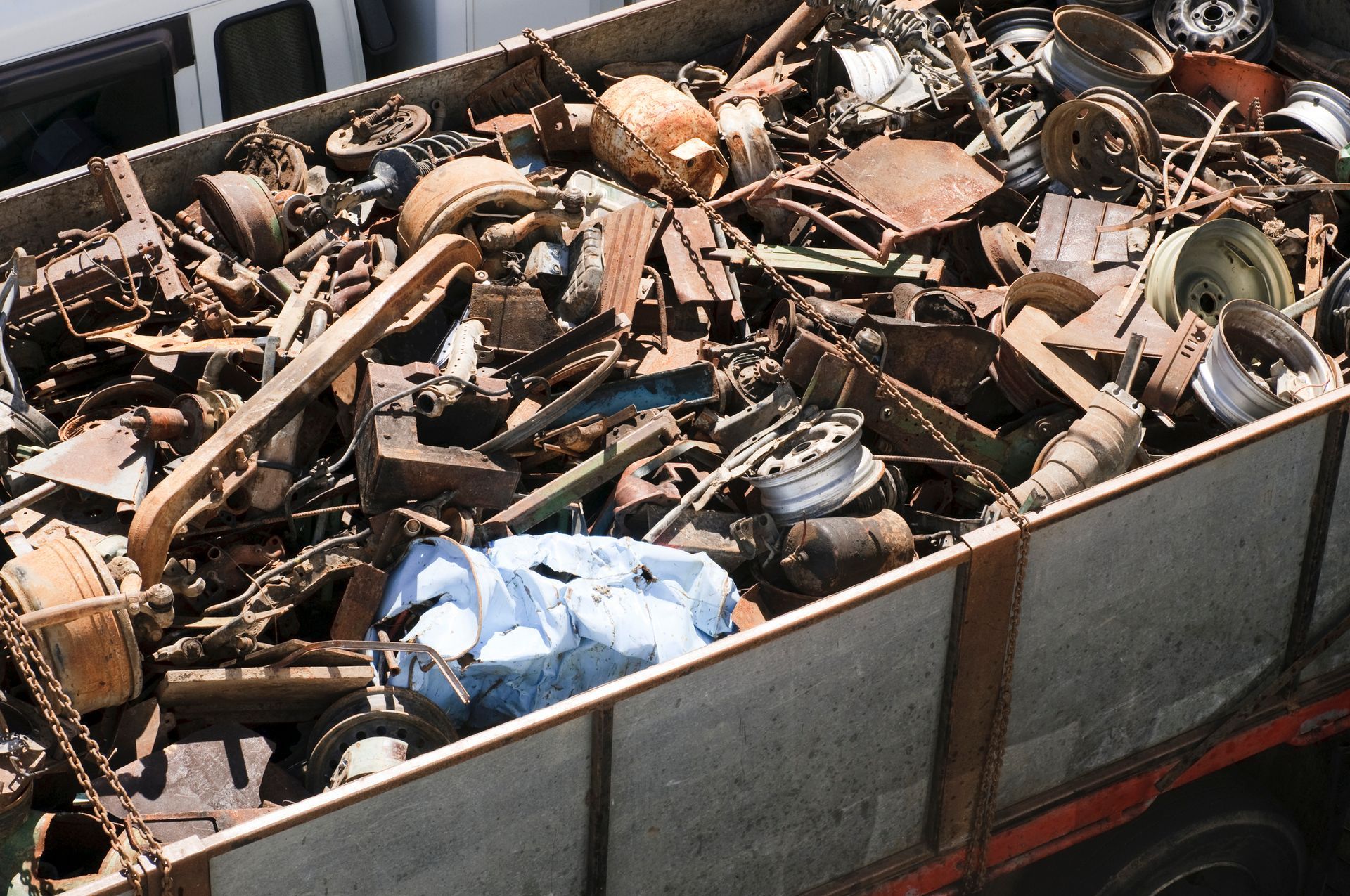
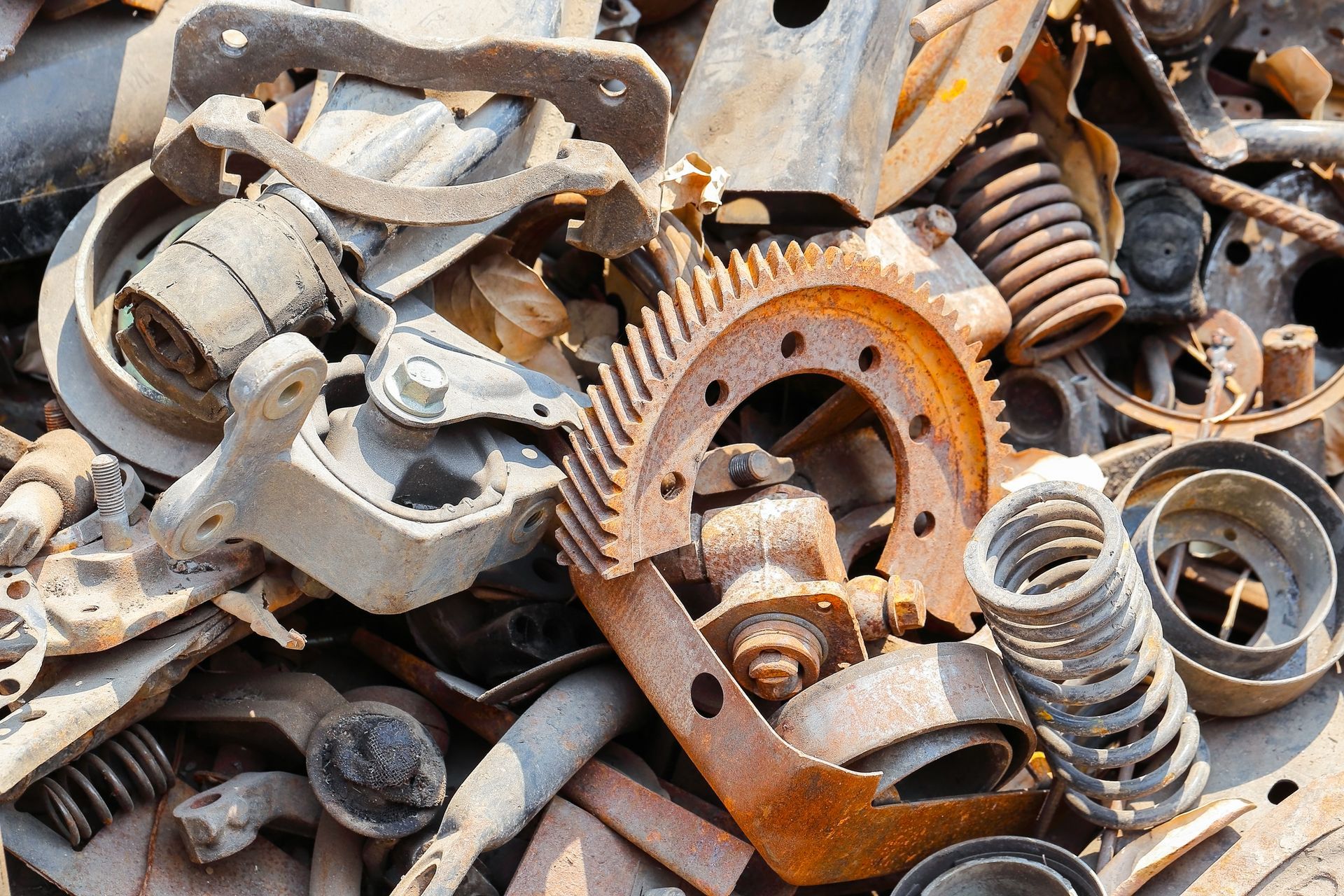
Ferrous metals are everywhere in daily life. You will find them in old appliances, car panels, steel beams, fencing, hot water systems, and industrial equipment. Most of the heavy, bulky scrap that comes out of a building site or workshop clean-up in the Moreton Bay region tends to be ferrous.
Non-ferrous metals, while often smaller in volume, can represent a greater proportion of your return because they are generally more valuable by weight. Common examples include:
- Copper wiring and plumbing fittings from renovation work.
- Aluminium window frames, cans, and automotive parts.
- Brass taps, valves, and fittings pulled from older homes.
- Lead flashing from roofing jobs.
- Stainless steel sinks, benchtops, and fittings.
In the Brendale and broader South East Queensland area, residential renovations and light industrial operations regularly produce a mix of both types, so sorting before you arrive at the yard is genuinely worthwhile.
How to Strip and Prepare Your Scrap
Sorted metal loads are processed faster at the recycling yard. Clean, separated materials can be assessed and graded more accurately, which benefits everyone involved. A few simple preparation steps can make a real difference.
Remove Plastic and Rubber Before You Drop Off
Mixed loads that include plastic casings, rubber grommets, cable sheathing, or other non-metal materials take longer to assess and may not weigh in as cleanly. Strip plastic insulation from copper wiring where it is safe to do so. Remove rubber feet or guards from metal items. Pull out any timber, concrete, or other attached materials from steel or iron pieces.
This does not need to be a perfect job, but the more metal you can expose and separate, the easier the yard's job becomes. Cleaner loads tend to move through grading more quickly, which can mean a faster turnaround for you.
Organise Your Load Before You Arrive
Group your ferrous metals together, your non-ferrous metals together, and keep obvious mixed items separate so they can be assessed individually. Using separate bins, crates, or sections of your trailer can make unloading far simpler. Yards that handle high volumes, like those servicing the light industrial estates around Brendale, move more efficiently when loads arrive pre-sorted.
If you are unsure about how to organise a larger or more complex load, the team at scrap metal recycling can guide you on what preparation works best for your specific materials.
Does Sorting Scrap Metal Increase Its Value?
Sorting your scrap may contribute to a better outcome at the weigh-in. When different metals are mixed together, the entire load may need to be assessed conservatively because it is harder to grade individual materials accurately. Separated loads allow each metal type to be assessed on its own merits. Bringing a well-organised load to a scrap metal recycling facility means each material can be graded separately, often leading to a more accurate assessment overall. While outcomes vary, arriving with a well-sorted load is widely considered good practice across the industry.
How Do I Tell Ferrous From Non-Ferrous Metal?
The magnet test is the most reliable method for home and workshop use. Ferrous metals attract a magnet; non-ferrous metals do not. For items you are unsure about, check for colour clues too. Copper has a distinctive reddish tone. Aluminium is typically silver-grey and very lightweight. Brass often has a yellow-gold appearance. When in doubt, bring it along and ask the yard staff on arrival.
Ready to Recycle Your Sorted Scrap in Brendale?
Sorting your scrap into ferrous and non-ferrous groups, stripping away plastics and rubber, and organising your load before you arrive are all simple steps that can make the scrap metal recycling process faster and more straightforward. Scrap metal recycling in Brendale does not need to be complicated when you know what to look for and how to prepare.
Sovereign Metals & Recycling is a locally owned, family-operated scrap metal merchant based at 236 Leitchs Rd, Brendale QLD 4500, and services domestic and commercial clients across South East Queensland. Call the team on 07 3889 8571 to discuss your load, or get in touch online to find out more. Find us and read what local customers have to say via Sovereign Metals & Recycling on Google.